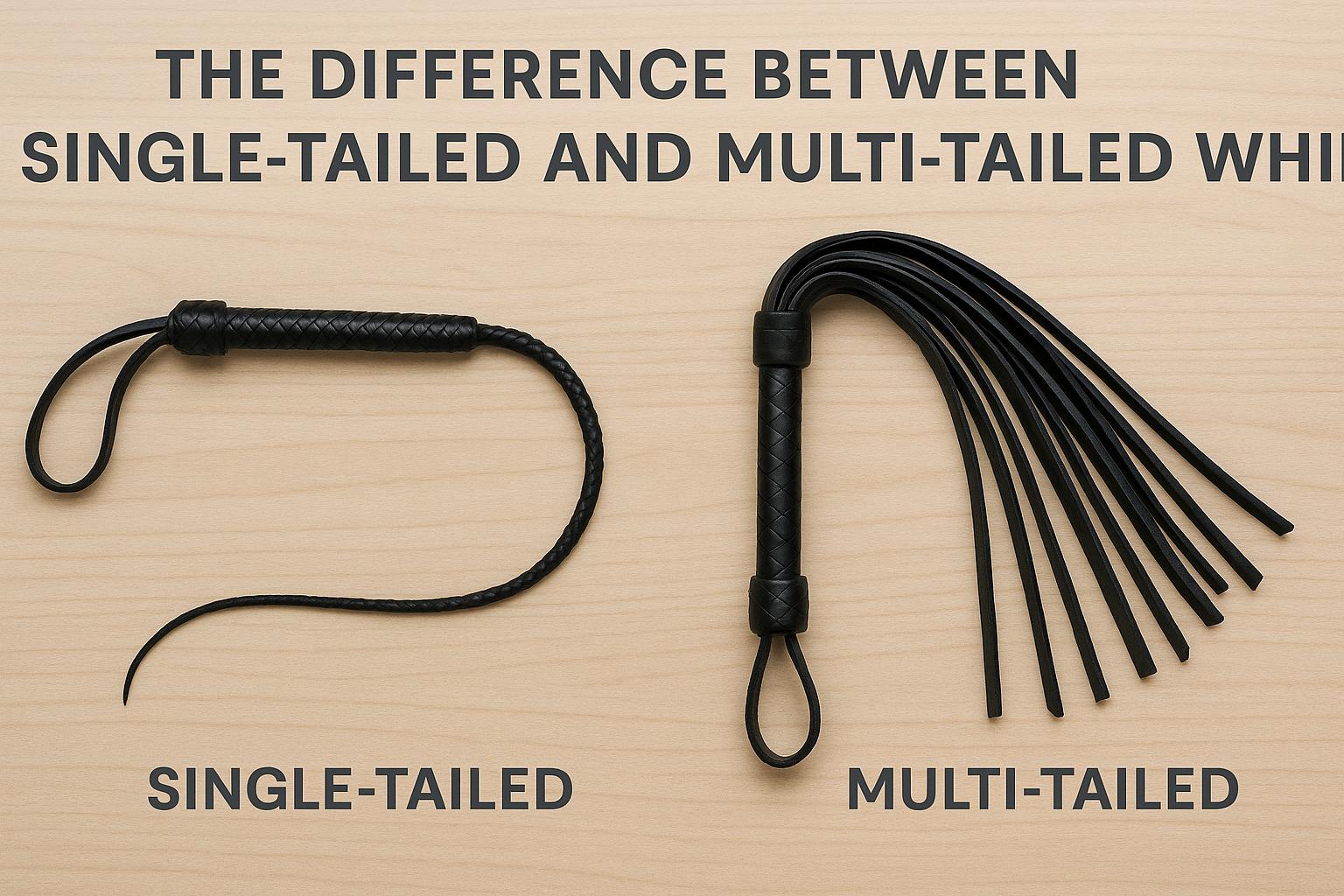
The difference between single-tailed and multi-tailed whips.
Understanding Whips: Single-Tailed vs. Multi-Tailed
When exploring the world of whips, gaining a comprehensive understanding of the differences between single-tailed and multi-tailed varieties is essential. Each type possesses distinct characteristics and serves unique purposes, which can significantly influence their usage and effectiveness in various settings. Whether utilized for sporting endeavors, performance arts, or other applications, the type of whip chosen can dramatically affect the desired outcomes.
Single-Tailed Whips
A single-tailed whip is characterized by a single, continuous tail that extends directly from the handle to the tip. Prominent examples include the bullwhip and the snake whip. These particular whips are prized for their utility in precision work and targeted striking. The single tail endows the user with the ability to execute controlled and accurate movements. In skilled hands, such whips become powerful tools capable of delivering pinpoint cracks and subtle nuances in sound.
Employing a single-tailed whip effectively necessitates a high degree of skill and training. Proficiency in managing the whip’s momentum is crucial to prevent inadvertent self-striking and to ensure accurate targeting. Users must develop a keen sense of timing, motion, and rhythm through practice to wield these whips with confidence. Consequently, single-tailed whips are frequently used in sports, performances, and training settings. The loud, sharp cracks produced can both captivate an audience and serve practical functions, such as signaling or directing the movement of animals.
Multi-Tailed Whips
In contrast, multi-tailed whips feature multiple tails extending from a shared handle. Popular forms include the flogger and the cat o’ nine tails. These whips are ingeniously designed to distribute the impact across several tails, which often results in a less intense strike compared to a single-tailed whip. The dispersion of force allows these whips to cover a larger surface area, making them versatile instruments for various applications.
Multi-tailed whips are generally more accessible to beginners due to their ease of handling. The risk of inadvertent injury is diminished by the distribution of force across multiple tails; this makes them appealing for those new to whip handling or engaging in activities where safety is paramount. These whips are commonly utilized in theatrical productions, certain training disciplines, and consensual activities that prioritize safety and controlled impact. The versatility and reduced intensity per strike make multi-tailed whips adaptable tools in environments where softer, more pervasive contact is desired.
Material and Construction
The construction and material choice play critical roles in the functionality and longevity of both single-tailed and multi-tailed whips. Leather is a popular material, admired for its durability, flexibility, and classic aesthetic. However, synthetic materials are also used for specific applications, offering unique properties such as increased weather resistance and lower maintenance requirements. A whip’s construction technique significantly influences its performance. Single-tailed whips often feature intricate braiding, which enhances their strength and precision. This braiding can involve numerous strands and requires skilled craftsmanship to ensure a seamless and uniform structure.
For multi-tailed whips, techniques like knotting or bundling are employed to ensure durability and manageability. Each tail is meticulously crafted to provide the desired balance between rigidity and flexibility. The choice of construction method impacts not only the whip’s lifespan but also its handling characteristics, making it vital for users to consider these aspects when selecting a whip for any activity.
Choosing the Right Whip
The selection of the appropriate whip is contingent upon a variety of factors, primarily centered around the intended use and the user’s experience level. Single-tailed whips are often the preferred choice in scenarios that demand high precision and the utilization of auditory cues, such as cracking. Their ability to deliver targeted strikes and produce loud sounds makes them ideal for skilled practitioners in fields ranging from performance arts to animal handling.
Conversely, multi-tailed whips are better suited for situations where minimizing the risk of injury is paramount and where broader coverage is desired. Their design inherently provides a safer option for beginners and those involved in activities requiring a more distributed and less intense impact.
When choosing between single-tailed and multi-tailed whips, considering the user’s skill level is crucial. New practitioners might benefit from starting with a multi-tailed whip to develop their handling technique and gradually progressing to a single-tailed whip as their proficiency increases. Furthermore, adherence to safety guidelines, proper training, and practice can mitigate potential risks and enhance the overall experience, regardless of the whip type chosen.
Maintaining whips in optimal condition involves routine care, which is vital for ensuring their effectiveness and extending their lifespan. Regularly inspecting the whip for wear and tear, cleaning it appropriately according to the material, and storing it in a suitable environment all contribute to its durability and performance.
For more comprehensive insights and expert recommendations on whip selection and usage, it is advisable to consult trusted sources, including specialized literature and experienced practitioners. Engaging with professional communities and educational resources can provide valuable knowledge and practical advice, enabling users to make informed choices and enhance their skills in using whips effectively. Proper understanding and application of whipping techniques can transform a simple tool into a remarkable instrument of precision and artistry.