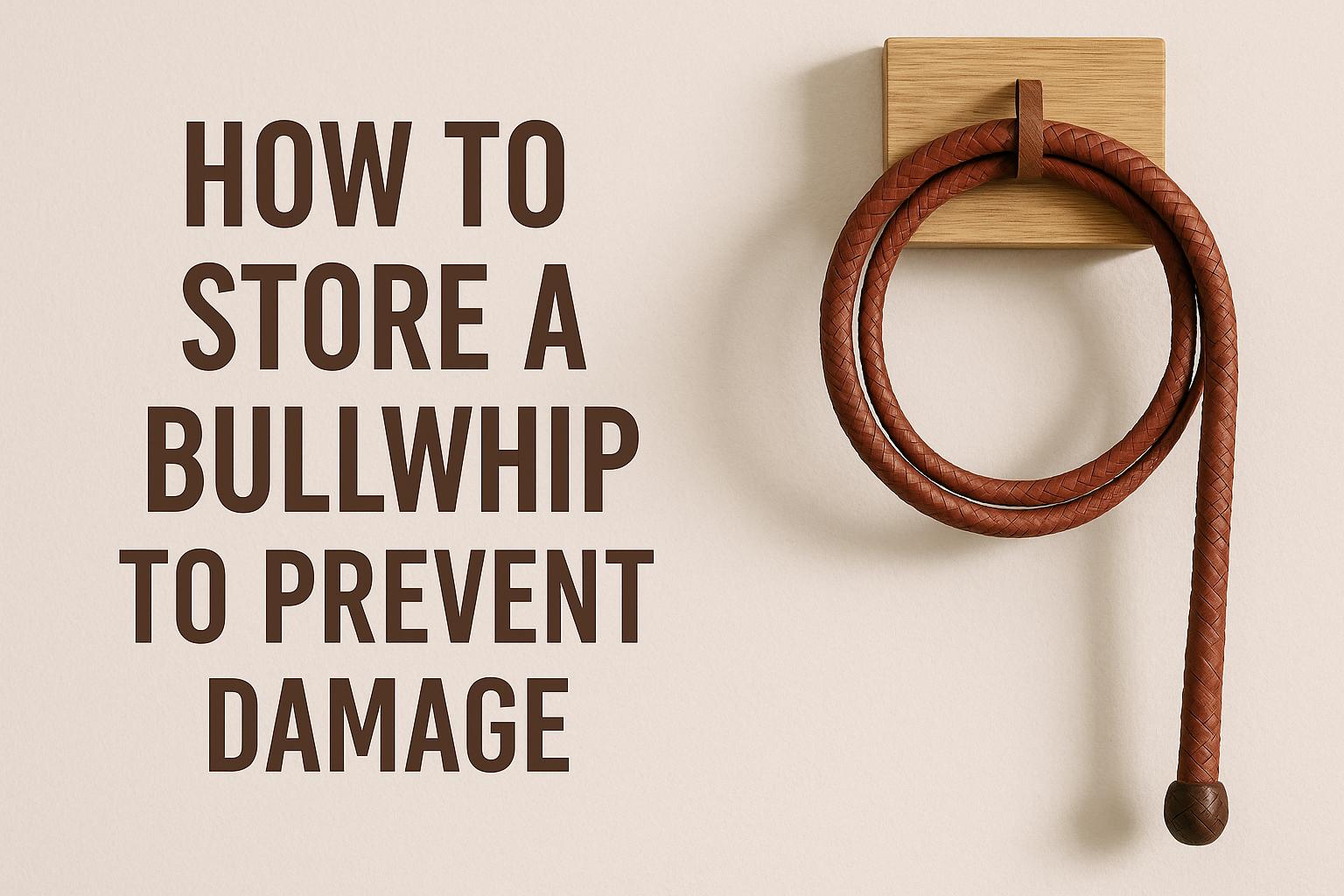
How to store a bullwhip to prevent damage.
Proper Storage Conditions for a Bullwhip
To maintain the integrity and longevity of a bullwhip, it is crucial to store it properly. This involves considering factors such as humidity, temperature, and exposure to light. Ideally, a bullwhip should be kept in a cool, dry place where it is shielded from direct sunlight. Excessive sunlight can cause the leather to dry out and crack over time. Additionally, high humidity can lead to mold growth, which can severely damage the leather.
Cleaning Before Storage
Before storing your bullwhip, ensure it is clean. Dust and dirt can degrade the leather if left for prolonged periods. Use a soft cloth to wipe down the whip, and consider applying a high-quality leather conditioner to help preserve its flexibility.
Firstly, start by gently dusting off the bullwhip with a soft cloth, preferably a microfiber one, to avoid scratches. Leather, being a natural material, can accumulate dirt and dust that could penetrate its pores, leading to deterioration. Therefore, maintaining cleanliness before storage is vital. After wiping the whip with a dry cloth, consider using a slightly damp cloth for any persistent spots, ensuring not to overdo it, as too much moisture can be harmful.
Next, consider the application of a high-quality leather conditioner. A leather conditioner serves to restore moisture, enhancing the leather’s suppleness and overall health. Choose a recommended product for fine leather, as this will prevent your whip from becoming brittle in the future. The conditioner should be applied sparingly and evenly, ensuring it penetrates the leather to offer adequate protection. Remember, less is more; too much conditioner can lead to a sticky surface, which attracts dust.
Maintaining Flexibility
Ensuring that a bullwhip maintains its flexibility is crucial to preventing it from becoming brittle. Regular conditioning assists in maintaining its pliability. One should use a recommended leather conditioner and apply it sparingly, as excessive conditioner may attract dust and dirt.
In addition to conditioning, occasionally uncoil and gently manipulate the whip in your hands. This process keeps the leather fibers mobile and prevents stiffening. Regular handling introduces natural oils from your skin to the leather, contributing to its longevity and flexibility.
Storage Techniques
When storing a bullwhip, avoid keeping it in a tightly coiled position for extended periods as this can lead to kinks or weak spots in the leather. Instead, loosely coil the whip and secure it with a soft band. Some bullwhip enthusiasts recommend suspending the whip vertically, as this method allows gravity to help maintain its shape without compressing it.
Consider using a soft cotton or silk band to secure the loosely coiled whip; this will prevent marks and impressions on the leather. When hanging the whip, ensure it hangs straight without pressure on any part, using a hook or a padded hanger. This method reduces pressure points and potential creasing.
Incorporating a storage bag made of natural materials, like cotton, is another viable method. These bags protect the bullwhip from dust while maintaining an airflow that combats excess humidity. Avoid plastic bags as they trap moisture and can contribute to mold growth over time.
Considerations for Long-Term Storage
If you plan to store your bullwhip for an extended period, it is advisable to periodically check its condition. Inspect for signs of dryness or mold, and apply conditioner as needed. Additionally, ensure the storage environment remains consistent in terms of temperature and humidity.
Long-term storage also benefits from a climate-controlled environment. Substantial fluctuations in temperature or humidity can cause the leather to expand and contract, leading to potential damage. If possible, use a dehumidifier or silica gel packets in the storage area to maintain an optimal level of dryness.
Regular inspection is another crucial step. Every few months, or at least twice a year, evaluate the whip’s condition. Look for signs of dryness, including a lighter color or minor cracks, and address them immediately with a mild application of conditioner. Mold can often be detected visually or through a musty odor, requiring prompt attention and cleaning to prevent irreversible damage.
By following these steps, you can ensure that your bullwhip remains in excellent condition and is ready for use whenever needed. For more specific advice on caring for a bullwhip, consider consulting a professional or joining a dedicated community that shares insights into whip maintenance. Staying connected with fellow enthusiasts offers opportunities to learn various maintenance techniques and discover new products ideal for whip care.
Proper care through mindful storage not only preserves the whip’s functionality but also its aesthetic appeal. As an item often associated with craftsmanship and skill, ensuring it remains pristine supports its heritage and ongoing usage.